

 Newsletter
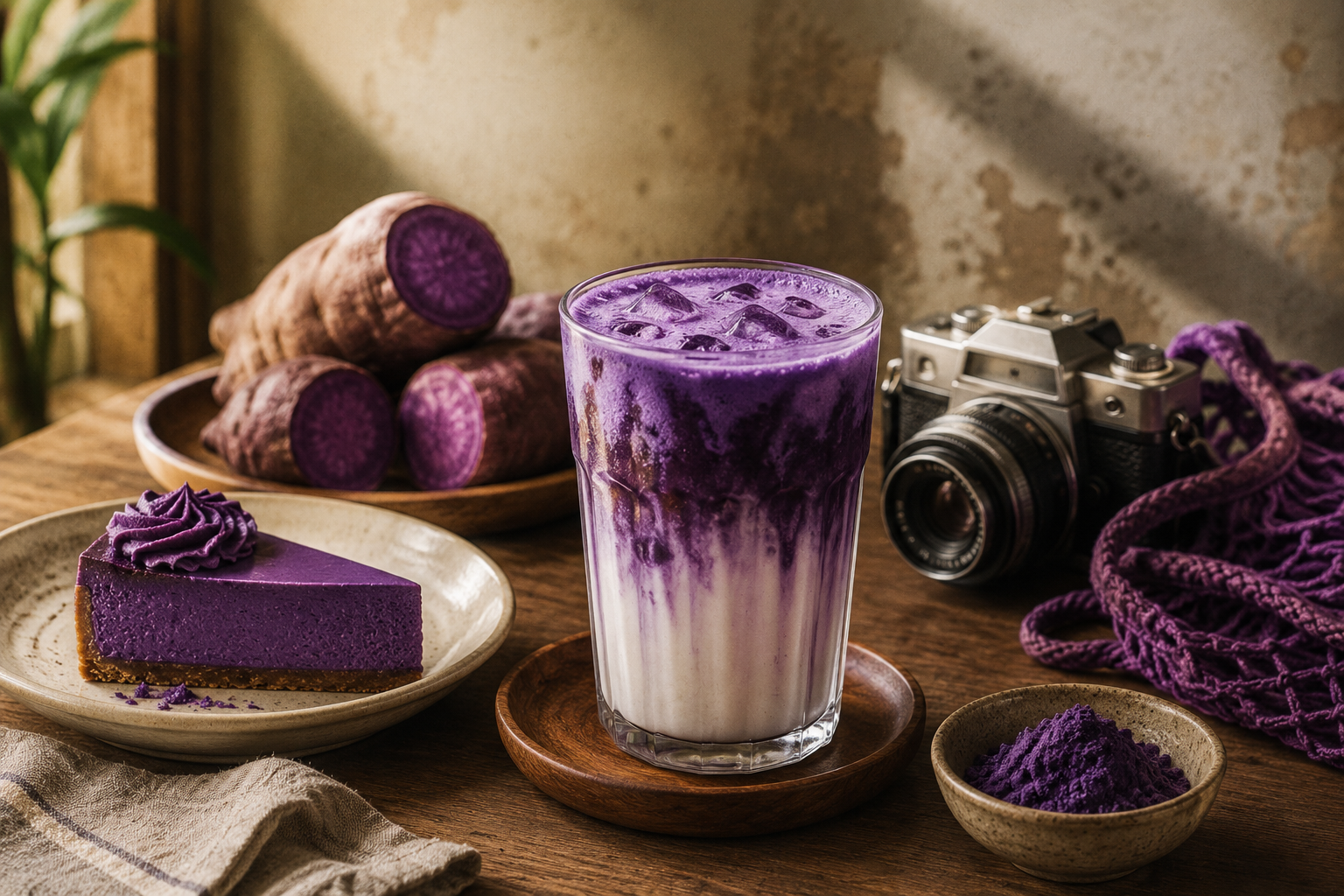
A few years ago, if you walked into a trendy café in Mumbai, Bengaluru or Delhi, chances are the menu screamed matcha. Bright green lattes, ceremonial tea bowls, iced cloud drinks and ₹450 “wellness beverages” had become the unofficial language of urban café culture.
But now another colour is quietly taking over social feeds and coffee counters. Purple.
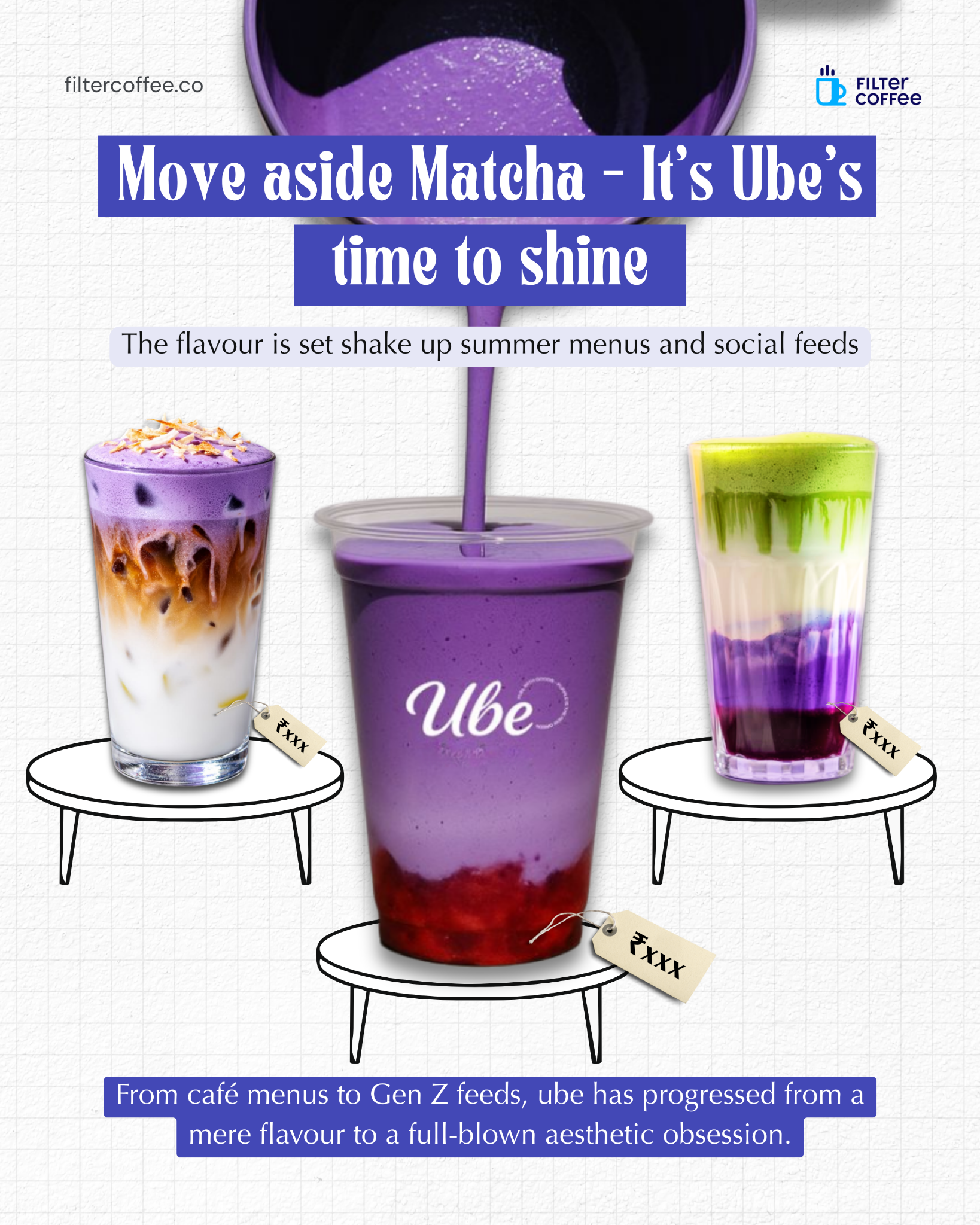
Ube, the vividly purple yam from the Philippines, is suddenly everywhere. It is showing up in iced lattes, cheesecakes, bubble teas, soft serves, cold foams and even croissants.
Starbucks has already leaned into the trend globally with seasonal ube drinks. TikTok and Instagram have pushed the flavour into the mainstream, and now Indian cafés are beginning to notice that people are not just buying the drink. They are buying the aesthetic.
At first glance, it seems like another internet food fad. But beneath the purple foam lies a much bigger story about how modern café culture works, how global food trends travel and how India’s own agricultural roots may quietly benefit from it.
The funny part is that ube is not actually unfamiliar to India at all.
The ingredient belongs to the species Dioscorea alata, commonly called purple yam.
In India, versions of it already exist under names like kand and ratalu, especially in Maharashtra and Gujarat. It has long been used in curries, fried snacks and undhiyu.
Cafés are repackaging a familiar root vegetable into a premium global lifestyle product.
And that transformation is where the economics becomes interesting.
The modern café business survives on differentiation. Coffee beans alone are no longer enough because every café now serves cold brew, oat milk and artisanal espresso. So operators constantly hunt for ingredients that look unique, photograph well and justify higher pricing.
Ube ticks every box. It delivers a naturally striking purple colour because of anthocyanins, the same class of pigments found in blueberries and purple cabbage.
Unlike matcha, which can taste grassy and polarising, ube is creamy, mildly nutty and dessert-like. That makes it easier for first-time consumers to accept.
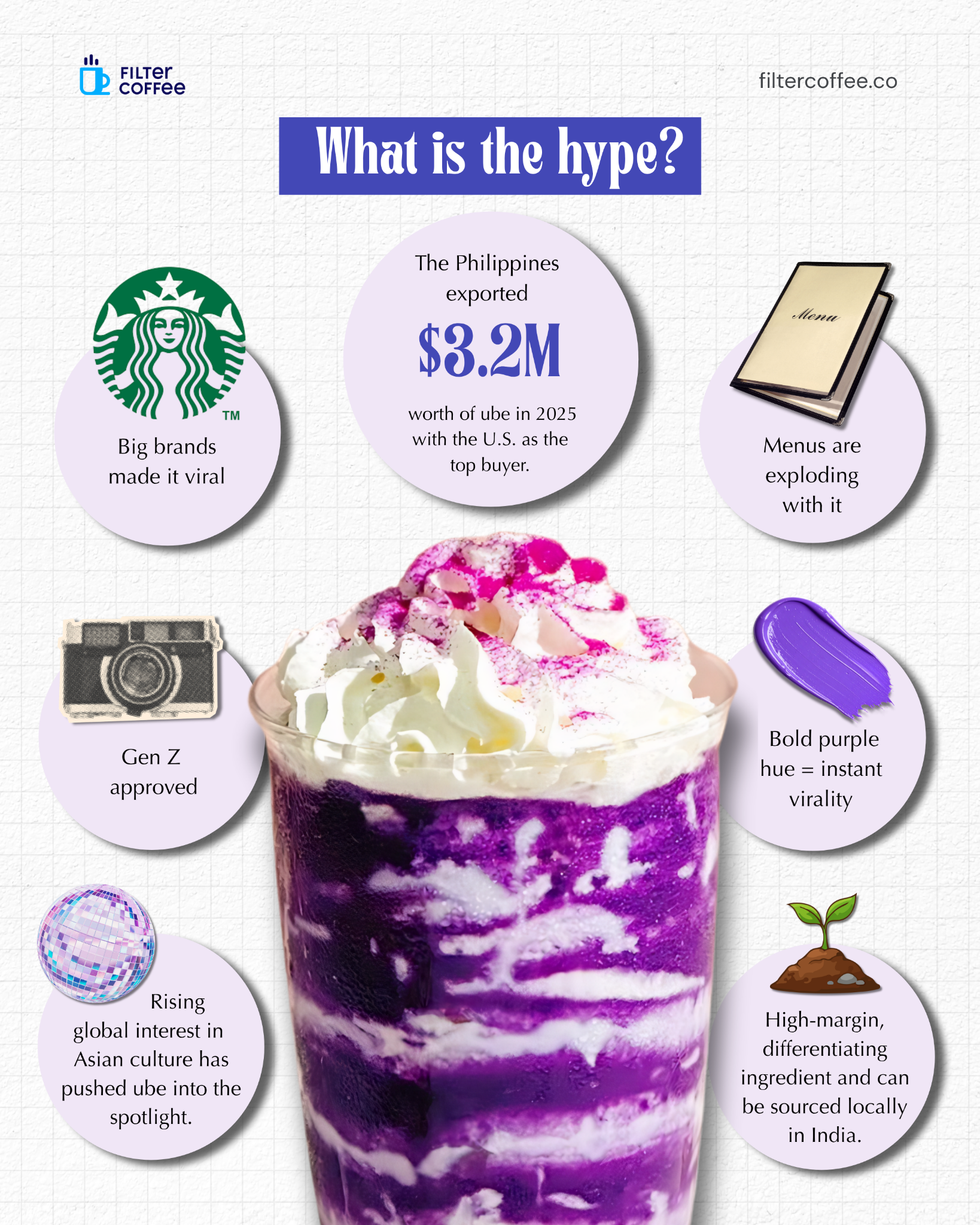
Most importantly, it photographs beautifully.
In the algorithm economy, appearance matters almost as much as taste. One visually viral drink can bring thousands of impressions to a café page. Food has become social media content first and consumption second.
This explains why ube’s rise is happening alongside the explosion of aesthetic café culture in India.
Over the last five years, India’s organised café market has expanded rapidly as chains and independent cafés compete for urban consumers willing to spend ₹300 to ₹600 on beverages. In that race, a purple latte becomes a marketing asset.
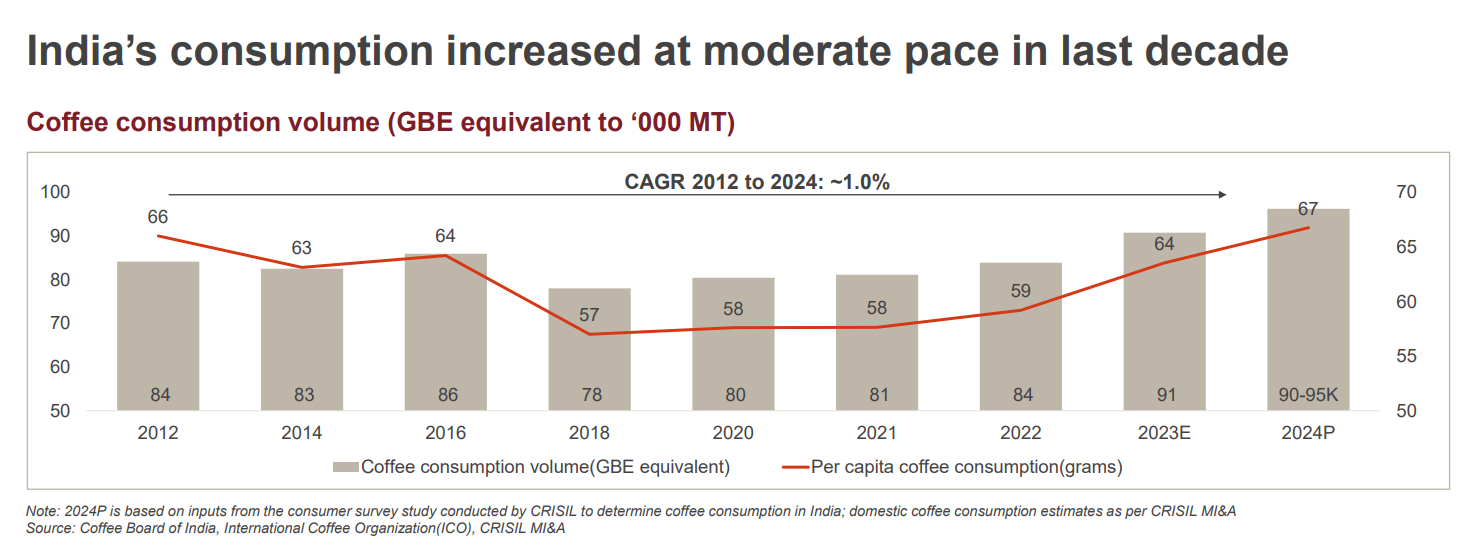
Image caption: Coffee Board
Globally, the momentum is already visible in trade numbers.
Philippine ube exports crossed roughly $3 million in 2025, with the United States among the biggest buyers, which makes sense given that ube is a high-margin speciality ingredient with premium positioning.
India’s opportunity lies in the fact that the country may not need to depend entirely on imports forever.
Agricultural studies from Indian institutions have already shown that greater yam varieties can perform well under local cultivation systems. If demand grows, cafés and food brands could eventually create local sourcing pipelines around purple yam varieties already grown in parts of the country.
That opens another fascinating layer to the story.
The café industry often takes traditional foods from Asia, gives them modern branding and reintroduces them to urban consumers as aspirational products. Matcha followed that path. So did kimchi, kombucha and mochi. Ube may simply be the next chapter in that cycle.
But unlike many imported trends, this one carries a strange sense of familiarity for India.
Somewhere behind the glossy purple latte sits a vegetable that Indian households have cooked for decades without ever imagining it would one day become an Instagram celebrity sold at premium cafés.
And maybe that is the real story here. Ube is not replacing matcha because it is healthier or rarer. It is rising because modern food culture rewards novelty, colour and storytelling.
Cafés are no longer just selling beverages. They are selling identity, aesthetics and the feeling of discovering the “next big thing” before everyone else does.
Right now, that feeling just happens to be purple.