
 Newsletter

Global shoutout to food police, Reliance breathes easy, and Content powers Meesho.
🗓️ Morning, folks!
Let’s start with the whackiest of the stories we got.
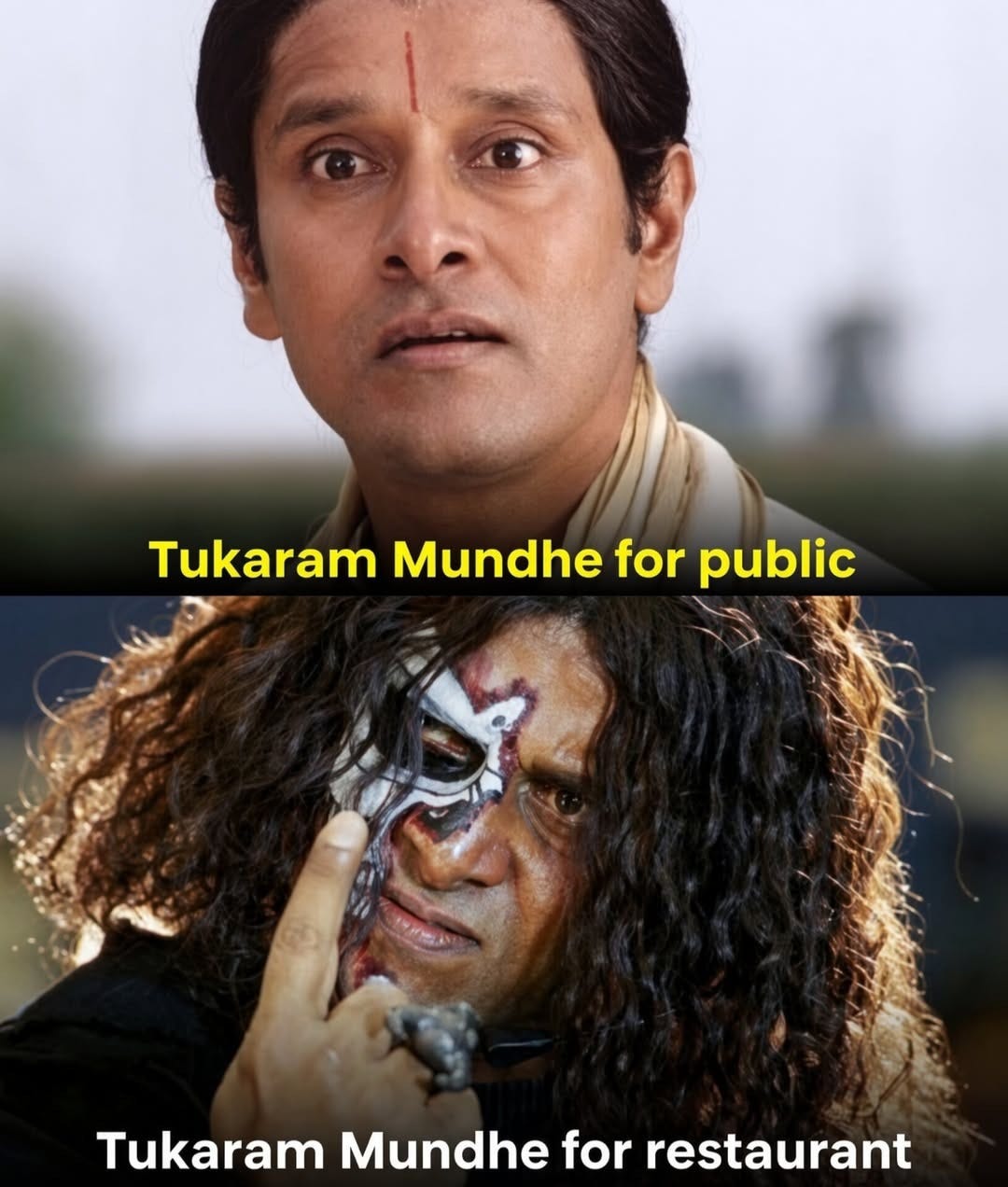
Maharashtra’s food safety crackdown has officially gone international. FDA Commissioner Tukaram Mundhe has been dubbed a ‘rockstar’ and ‘food safety celebrity’ by The New York Times.
Since taking charge in May 2026, his team has carried out 12,000+ inspections, issued thousands of notices and suspended hundreds of licences.
In just five days during the festive-season drive, it also seized 50,600+ kg of food worth ₹1.19 crore, with familiar names such as Kyani & Co, Colaba Sweet Mart and Subway among the establishments facing action.
The BBC and Reuters have also profiled his approach, highlighting how making routine government enforcement more visible can grab public attention.
Sharing the NYT story, he summed up his approach: “Good governance is not about making headlines, but about making a difference.”
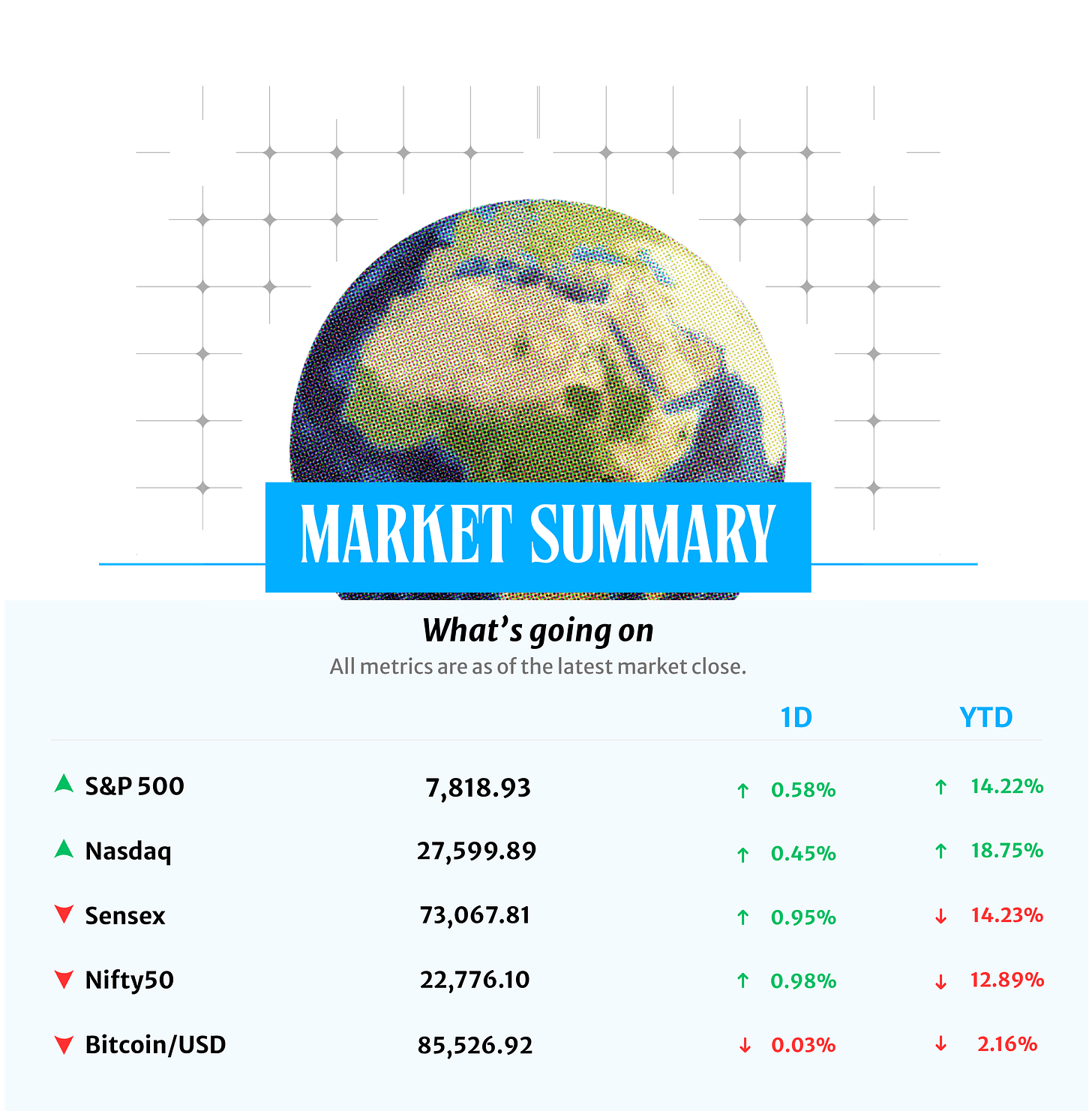
Speaking of things looking healthier, markets clocked another day of gains.
Nifty and Sensex ended nearly 1% higher, supported by falling crude oil prices, with Brent back below $100 a barrel.
The focus today is the RBI’s policy decision, with market participants largely pricing in a 25-basis-point rate hike.
Among sectors, Nifty Pharma and Nifty Oil & Gas led the gains, while Nifty IT and Nifty Realty were the biggest underperformers.
💡 Spotlight: Small businesses get a lift ⚡️
The Union Cabinet has approved a ₹10,000 crore government commitment to set up the SME Growth Fund (SGF). The fund will invest directly in small and medium enterprises in exchange for an ownership stake, helping them raise money to expand.
Why do SMEs need this: getting funding is a major hurdle for many small businesses. Banks may hesitate to lend because they see these businesses as risky.
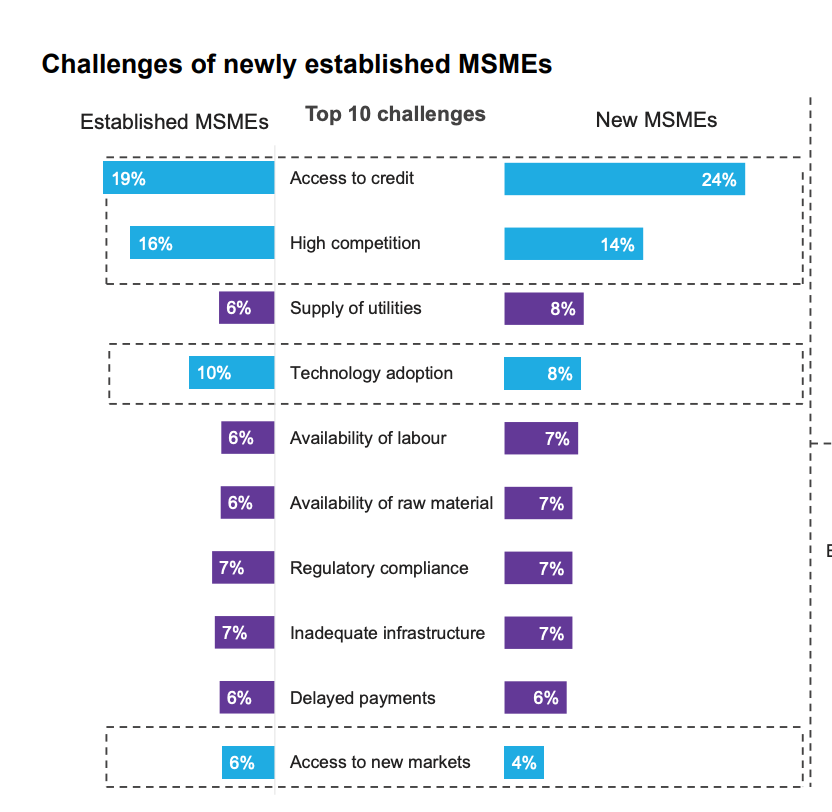
Many SMEs also lack assets they can offer as security for loans or a long credit history. This can make it harder to borrow money for expansion, new equipment or product development.
The fund aims to address this gap by providing equity funding, giving growing businesses another way to finance their plans.
Let’s hit it! 💪🏻
1 Big Thing: Reliance’s Campa gets a breather 🥤
The Delhi High Court has allowed Reliance to continue marketing its Campa products as ‘energy drinks’ for now.
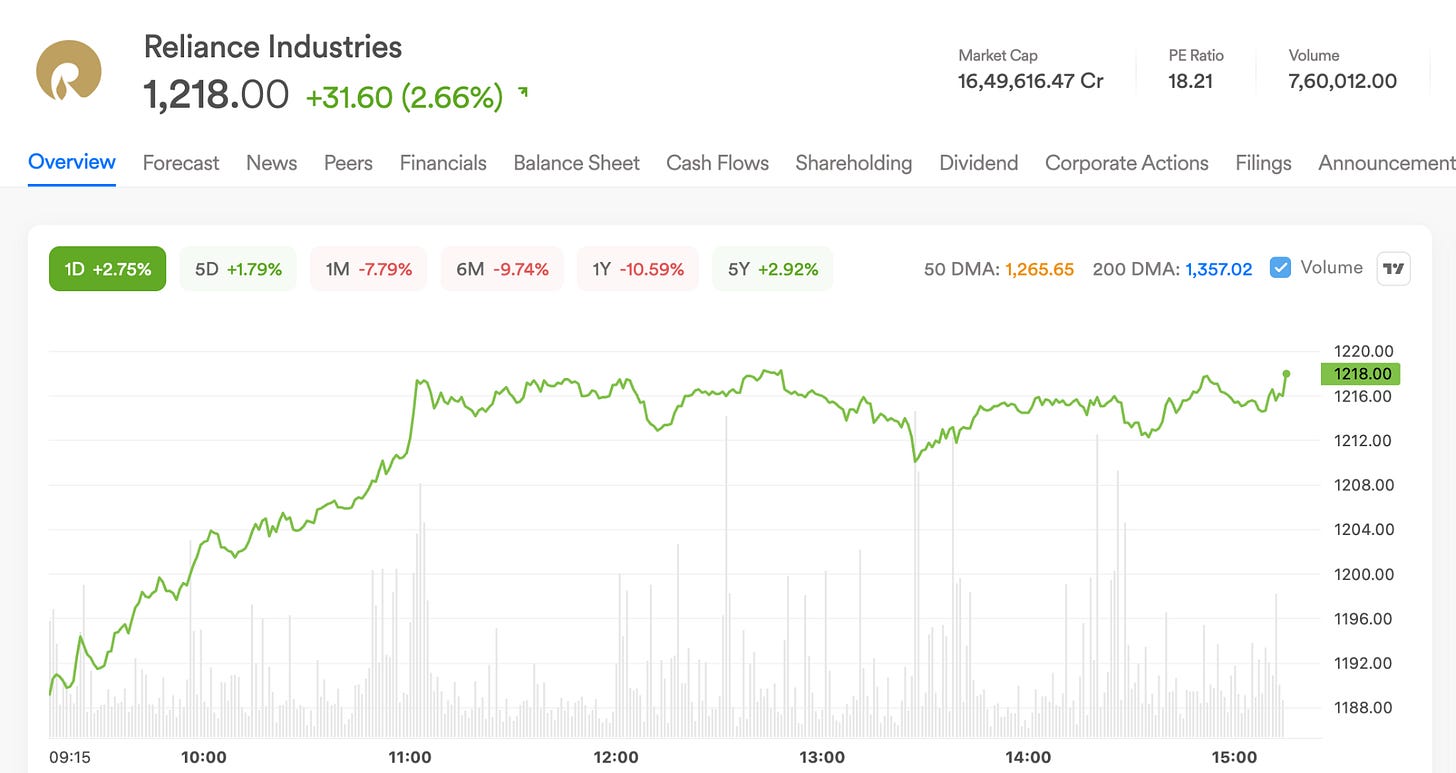
Why it matters: the company approached the court this month, saying the food regulator’s ban on the ‘energy drink’ label had put its business at risk, disrupting sales and affecting huge amounts of stock and packaging.
The business impact: Reliance Consumer Products told the court it had 168 million cans and 120 million plastic bottles of finished products carrying the label.
It also had packaging already printed for another 400 million cans and 360 million bottles. Tuesday’s order gives Reliance temporary relief, but the dispute is not over. The Delhi High Court will hear the case again on November 5.
FYI: on June 30, India’s food regulator, FSSAI, directed manufacturers of high-caffeine beverages to stop using the ‘energy drink’ label.
Several beverage companies challenged the move, saying it could mean reworking packaging, disrupting sales and reshaping how they market their drinks.
The bigger picture: PepsiCo and Monster Beverage have also challenged the label ban in court, according to filings reviewed by Reuters.
The dispute affects a market expected to be worth $1.6 billion by 2028. Retail sales of energy drinks in India are growing 12.6% annually, faster than in the US and China.
2. Reels are serious business for Meesho 📲
Meesho’s shares jumped 6% intraday after its content commerce business grew 152% in the year ended August 2026.
In simple terms, Meesho is using creator-led videos to help shoppers discover products and drive sales.
The total value of goods sold through this business called Net Merchandise Value (NMV), has more than doubled in a year.
What’s behind the numbers: Meesho’s Content Commerce business is growing because it is bringing everyday people into the creator economy, not just big influencers.
Over the past year, 1.6 lakh creators made content for Meesho, with 90% being nano creators with fewer than 10,000 followers.
Around 81% came from non-metro India, while Tier 3 and 4 cities accounted for 66% of orders. Homemakers and young graduates also make up a significant part of this creator base, with creators earning a commission when their videos lead to a sale.
Larger landscape: India now has 2-2.5 million monetised creators who influence an estimated $350-400 billion in consumer spending.
That figure is expected to cross $1 trillion by 2030, as shopping increasingly happens through videos, creator recommendations, live commerce, subscriptions and virtual gifting.
3. From frozen fries to Dalal Street 🍟
You might not have heard of HyFun Foods, but there’s a good chance you’ve eaten something it makes.
The company supplies frozen food products to major restaurant chains and counts Blue Tokai, PVR Cinemas and Wow! Chicken among its customers.
The deets: HyFun Foods plans to raise up to ₹2,000 crore through an IPO by late 2028, as it bets on rising demand from restaurants, retailers and quick-commerce platforms.
Most of the issue is expected to consist of new shares, meaning much of the money raised would go directly to the company to fund expansion.
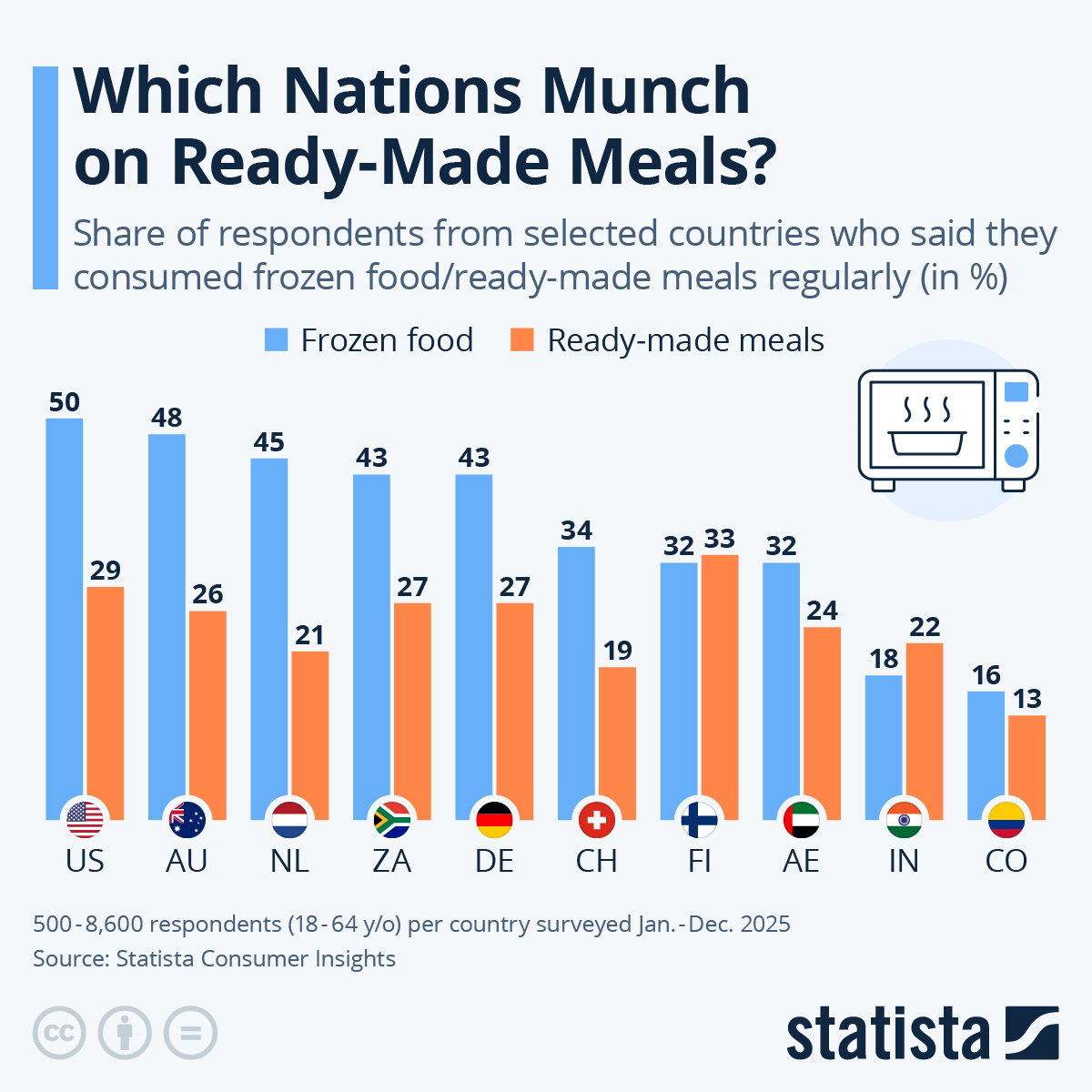
The why: India is slowly warming up to frozen food. French fries, pizzas, dumplings and other ready-to-cook products are becoming more common as people look for quicker meal options and quick-commerce makes these products easier to buy.
Something interesting: HyFun currently gets around three-fourths of its revenue from exports to more than 40 countries. But the company expects exports to contribute only around half of revenue within five years as its India business grows.
4. What Gen Z wants at work 👀
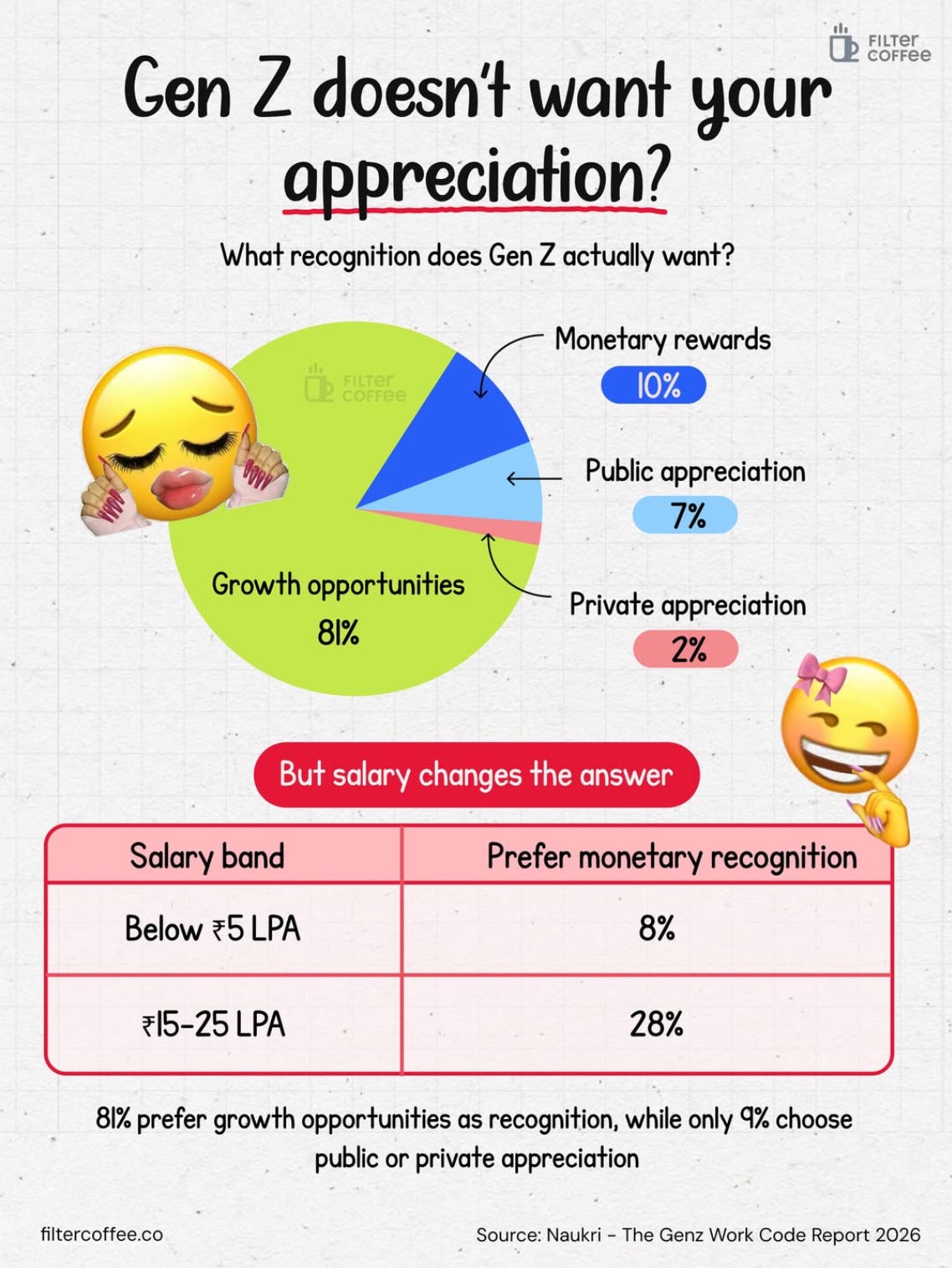
For Gen Z, growth opportunities rank above praise as a form of recognition. 81% would rather be rewarded with growth opportunities, while just 9% prefer public or private appreciation combined.
But money starts talking louder as salaries rise. Among those earning ₹15-25 LPA, 28% prefer monetary recognition, versus just 8% of those earning below ₹5 LPA.
For employers, the takeaway is simple: recognition isn’t one-size-fits-all, and for Gen Z, career progression can be a reward in itself.
5. Stocks that kept us interested 🚀
What went up ⬆️
🔼 Dabur, Angel One, Kotak Mahindra Bank, AWL Agri Business, Honasa Consumer and Trent jumped up to 11% after September-quarter business updates.
🛡️ PB Fintech gained 6% after Insurance Brokers Association of India wrote a letter to PM Modi over IRDAI’s proposed commission caps.
💹 Rentomojo and Steamhouse surged up to 10% after reporting quarterly earnings data.
🏗️ Bondada Engineering surged over 4% after winning an order worth ₹1,154 crore.
⚡ Transrail Lighting received orders worth ₹412 crore in its core Transmission and Distribution business, stock up more than 4%.
🏨 Viceroy Hotels rose more than 2% after Zerodha founders Nithin and Nikhil Kamath acquired a 6.72% stake.
What went down ⬇️
📉 ESDS Software slipped 5% after reporting weak Q1 results.
What else are we snackin’ 🍿
📈 Growth upgrade: the World Bank raised India’s FY27 GDP growth forecast to 7.1% and expects 7.2% growth in FY28.
💧 Hydropower pact: Adani Power partnered with Bhutan’s Druk Green Power to develop a 770 MW hydropower project through a 49:51 joint venture.
🥤Acquisition drive: Marico acquired an additional 24.09% stake in Plix’s parent for ₹1,012 crore, raising its ownership to 84.09%.
💊 Fresh launch: Zydus and MSN Laboratories launched the first generic version of Adempas, a medicine used to treat certain types of high blood pressure in the lungs, in the US after receiving USFDA approval.
That’s a wrap! Don’t let the weekday blues get to you.

And if you’d like to place your brand on this newsletter, let us know.
Hit that 💚 if you liked this issue.
Disclaimer: this newsletter is for informational and research purposes only. Nothing here should be considered financial, investment, legal, or professional advice.