

 Newsletter

You would not guess this from scrolling the news, but India is currently the fastest-growing factory of ultra-rich people in the world. Not slowly, not over generations, but in a tight five-year window that is already unfolding.
According to Knight Frank’s Wealth Report, India’s ultra-high-net-worth population, people with net worth above $30 million, is set to grow by 50.1% between 2023 and 2028.
That takes the count from 13,263 individuals to 19,908.
No other country is growing ultra-wealth at this pace. China comes close at around 47%, but still falls short. The global average growth over the same period is just 28%.
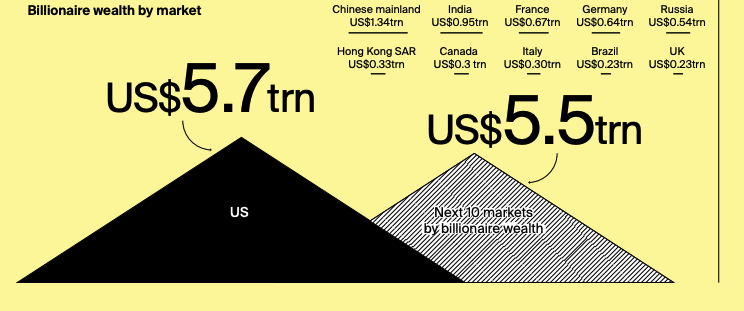
India already has around 191 billionaires, with total billionaire wealth estimated at roughly $950 billion. But the real shift is happening one level below.
The ultra-rich layer is expanding faster than the very top. And that is because this layer tends to be more entrepreneurial, more diversified, and more active in capital markets.
In 2023 alone, India’s UHNWI population grew by 6.1%, compared to a global growth rate of 4.2%. What makes this more credible is that India has already recorded a 6.1% rise in its ultra-rich population in the latest measured year, well above the global average.
And the same model projects India to add nearly 6,700 new ultra-high-net-worth individuals by 2028, the fastest expansion anywhere in the world.
But where is this wealth coming from?
A decade ago, most Indian wealth followed predictable paths. Promoters, real estate, legacy manufacturing, family-owned businesses.
Today, the sources are very different. Startup founders exiting or partially liquidating. Senior professionals unlocking ESOP wealth. Early-stage investors riding multiple funding cycles. Public market investors who stayed invested through volatility.
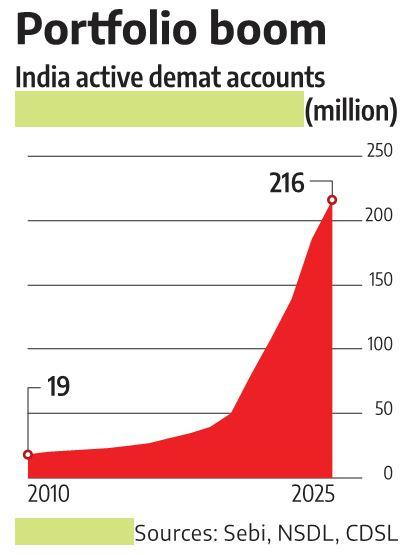
India’s equity markets are a big part of this story. The Nifty and Sensex have delivered strong long-term returns over the past decade, and participation has widened sharply. Demat accounts have crossed 215 million, and high-net-worth participation in equities is deeper than ever. When equity exposure compounds over ten to fifteen years, it shows up meaningfully at the ultra-rich level.
Then there is startup equity. India now has over 120 unicorns, and hundreds of companies valued between $100 million and $1 billion. Even a small ownership stake in one successful outcome can create generational wealth. This did not exist at scale in India fifteen years ago. Now it does.
Alternative assets are also playing a role. REITs have crossed ₹1 trillion in market capitalisation, offering structured real estate exposure. Private equity and venture funds are accessible to wealthy investors. Private credit, global feeder funds, and offshore structures are no longer niche. When multiple asset classes perform together, wealth accelerates.
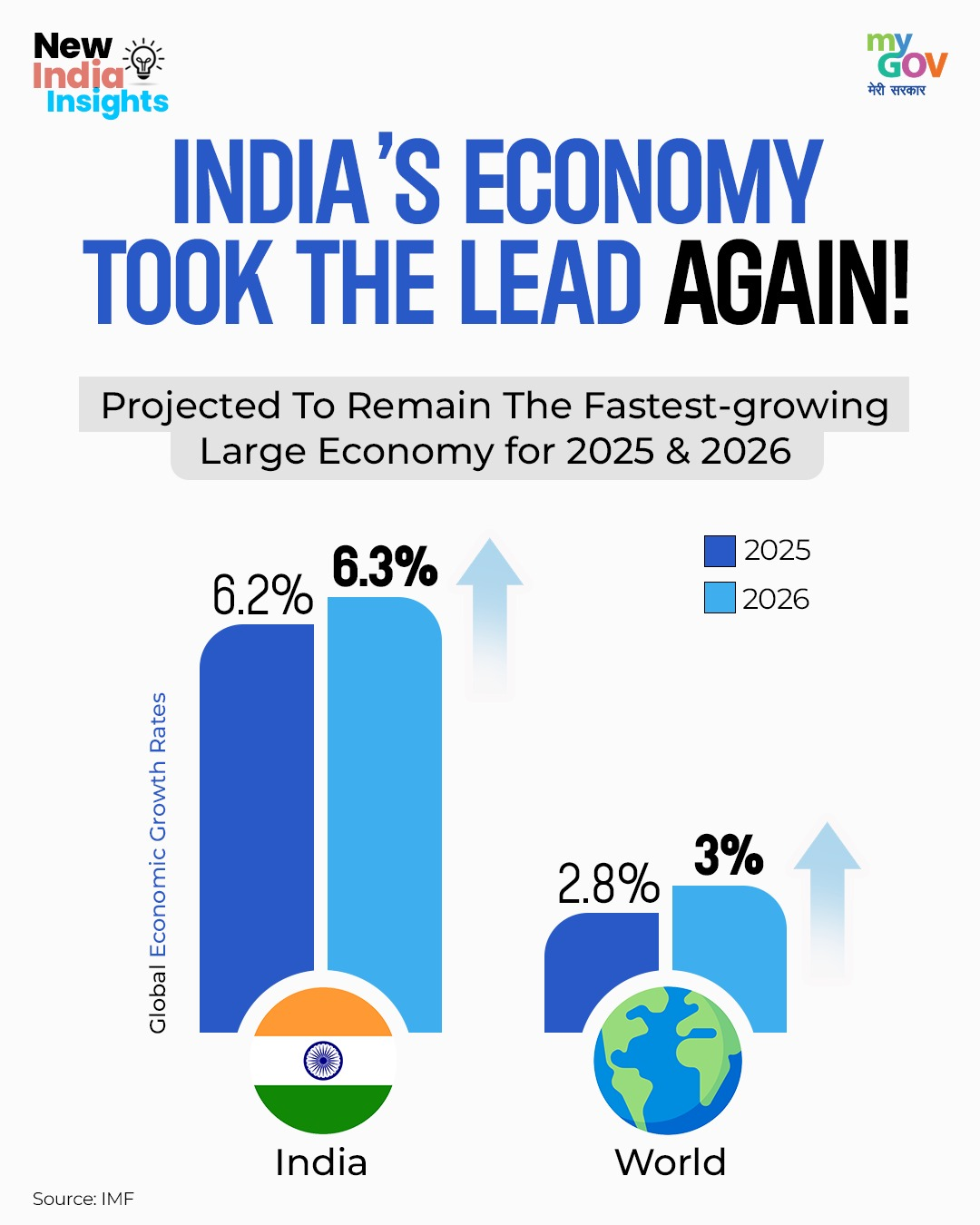
Macro conditions are doing their bit too. India has been the fastest-growing major economy for several years. GDP growth does not directly create rich individuals, but it expands opportunity. Businesses scale faster. Capital flows improve. Risk-taking gets rewarded. Over time, that filters into personal balance sheets.
Indian ultra-rich investors show a higher appetite for risk compared to peers in Europe or Japan. More allocation to equities. More exposure to growth assets. Longer holding periods. Over decades, these differences compound.
Global exposure is another shift. Knight Frank’s data shows that nearly 14% of Indian UHNWI residential real estate portfolios are held outside India.
UHNWI stands for Ultra-High-Net-Worth Individual. It refers to someone who has at least $30 million (USD) in investable assets.
On average, an Indian UHNWI owns 2.57 homes, and over a quarter rent out secondary properties. This is no longer a domestic-only wealth mindset. It is portfolio construction.
India has roughly 86,000 people worth over $10 million, making up about 4% of the world’s ultra-wealthy at this level.
That puts India fourth globally, behind the US, China, and Japan. Ten years ago, this would have sounded ambitious. Today, it is data.
But here is the part we do not talk about enough.
India is creating ultra-rich individuals faster than it is building the infrastructure to manage that wealth.
Wealth management in India has improved, but it is still fragmented. Succession planning often starts late. Estate structures are frequently reactive. Family office governance is informal in many cases. Access to institutional-quality alternative investments is uneven. Too many decisions still rely on relationships instead of systems.
This gap matters because poor structuring quietly destroys wealth. Through taxes. Through disputes. Through concentration risk. Through missed compounding. As wealth transitions from first generation to second, these risks multiply.
The scale of what is coming makes this urgent. By 2028, India will add nearly 6,700 new ultra-rich individuals. Each of them will face complex decisions around capital allocation, succession, governance, and global exposure. If the rails are weak, value leaks.
This is also where India’s wealth story differs from older economies. In the US or Europe, wealth management systems matured over decades. In India, wealth is scaling first. Infrastructure is trying to catch up later.
Moreover, Countries do not accidentally produce ultra-rich individuals at scale. It requires entrepreneurship, capital depth, functioning markets, and confidence in the future. India is not just minting wealth. It is doing so repeatedly, across sectors, and across generations.
Yes, wealth concentration is a valid concern. Yes, inequality debates matter. But from an economic lens, the ability to generate high-value outcomes consistently is a sign of momentum, not fragility.
India’s ultra-rich growth story is not driven by one policy or one boom. It is the result of several systems finally working together. Markets that reward patience. Startups that create liquidity. Capital that flows more freely. Investors willing to take risk.
And that is why this phase feels different.
The question now is not whether India will create more ultra-wealth. That seems inevitable. The real question is whether the financial, legal, and institutional ecosystem around it can mature just as fast.
Because creating wealth is hard. Preserving it across generations is harder.
India is now at the stage where both have to happen at the same time.
FAQs
Why is India’s ultra-rich population growing so fast?
India’s ultra-rich population is rising quickly because the economy is expected to grow faster than most major countries, and wealth is compounding through equities, startups, and wider access to new investment options. More first-generation founders and senior professionals are also turning business growth and equity ownership into real personal wealth.
How fast is India’s ultra-rich population expected to grow by 2028?
India’s ultra-high-net-worth population is projected to grow by about 50% between 2023 and 2028, rising from 13,263 to 19,908 individuals. This is the highest growth rate among major countries over the same period.
Who is counted as an ultra-high-net-worth individual (UHNWI)?
An ultra-high-net-worth individual is typically defined as someone with a net worth of $30 million or more. This segment sits below billionaires but represents a much larger pool of people who have significant investable wealth.
Is India’s ultra-rich boom only about billionaires?
No. The bigger shift is happening below the billionaire layer. India is seeing faster growth in first-generation ultra-rich individuals, including startup founders, early employees with meaningful equity, senior professionals, and long-term market investors.
How many people in India have more than $10 million in net worth?
India has around 86,000 individuals with net worth above $10 million, which is roughly 3.7% of the global $10 million-plus population. This group is often seen as the pipeline for future ultra-rich and billionaire creation.
What role do startups and ESOPs play in creating ultra-wealth in India?
Startups and ESOPs have become major wealth engines in India. As companies scale and offer exits or secondary liquidity, founders and early employees can convert equity into large personal wealth, which was far less common in India a decade ago.
Are Indian ultra-rich investors diversifying outside India?
Yes. Many wealthy Indian families are increasingly investing globally across real estate, funds, and businesses. This reflects a shift from India-only investing to more diversified portfolios that reduce risk and open up more opportunities.
Why do emerging markets like India create wealth faster than some developed markets?
In faster-growing economies, businesses can scale quickly, capital markets deepen, and risk assets can deliver stronger long-term compounding. In contrast, many developed regions tend to prioritise wealth preservation and conservative allocations, which can slow the pace of new wealth creation.
Does India have the infrastructure to manage rising ultra-wealth?
Not fully. Wealth creation is scaling faster than wealth management systems, succession planning, family governance, and access to structured alternative investments. As more first-generation wealth moves into the next generation, weak financial and legal rails can lead to value leakage.
What does India’s ultra-rich growth mean for the economy and markets?
It signals deeper entrepreneurship, stronger capital formation, and growing confidence in markets. If India builds better wealth infrastructure alongside this growth, it can strengthen long-term investing, institution building, and global financial relevance.